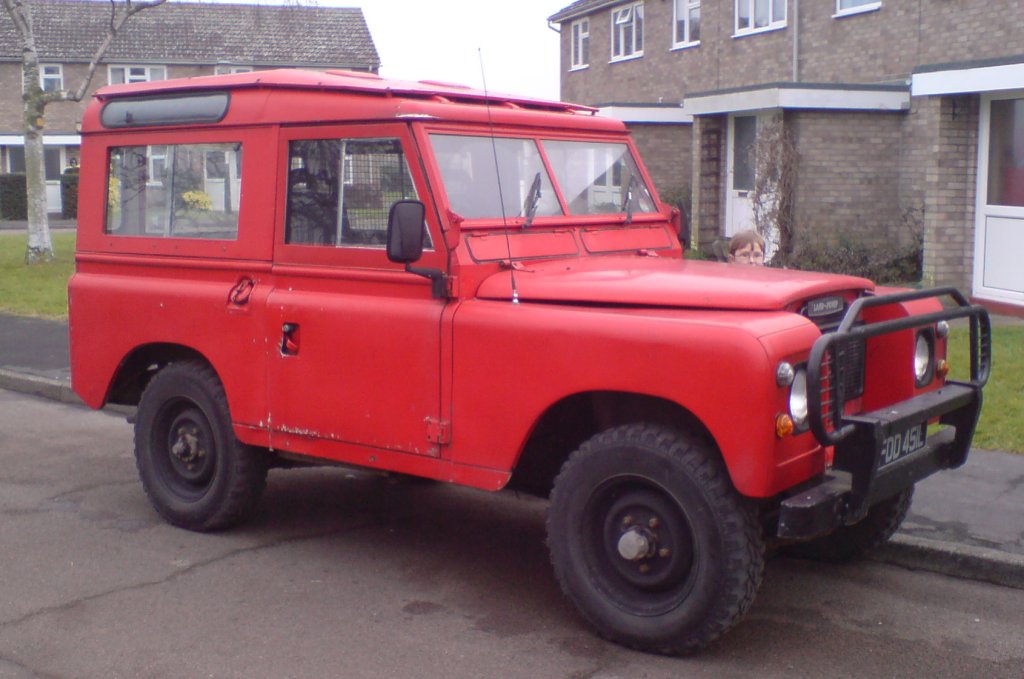
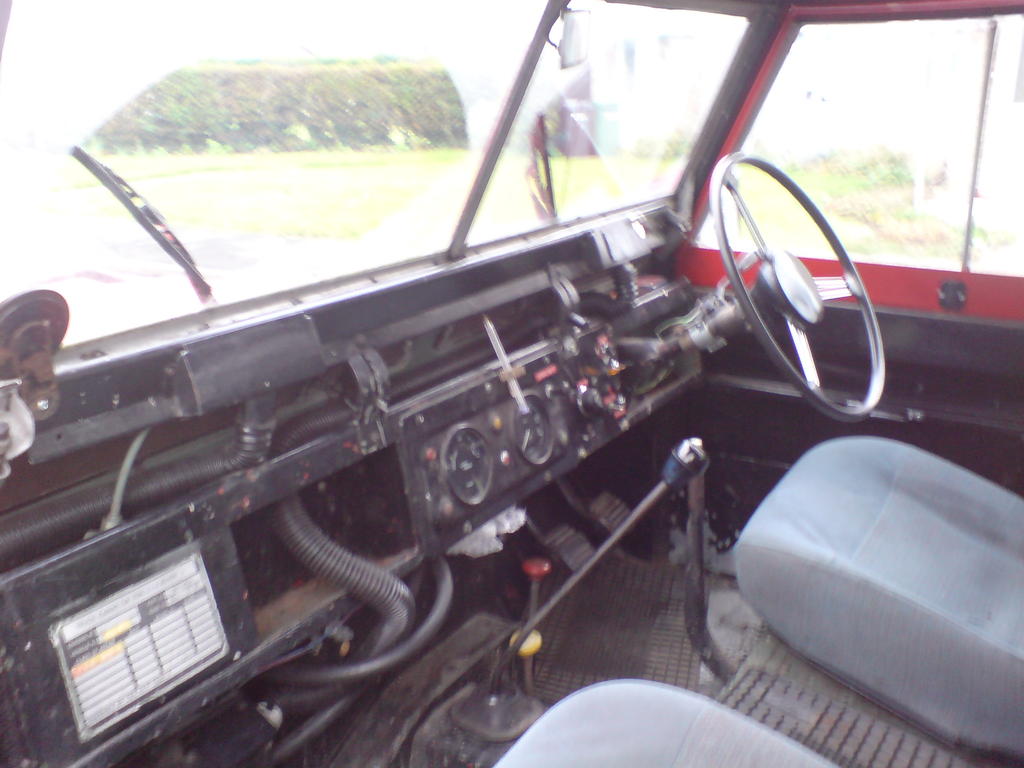
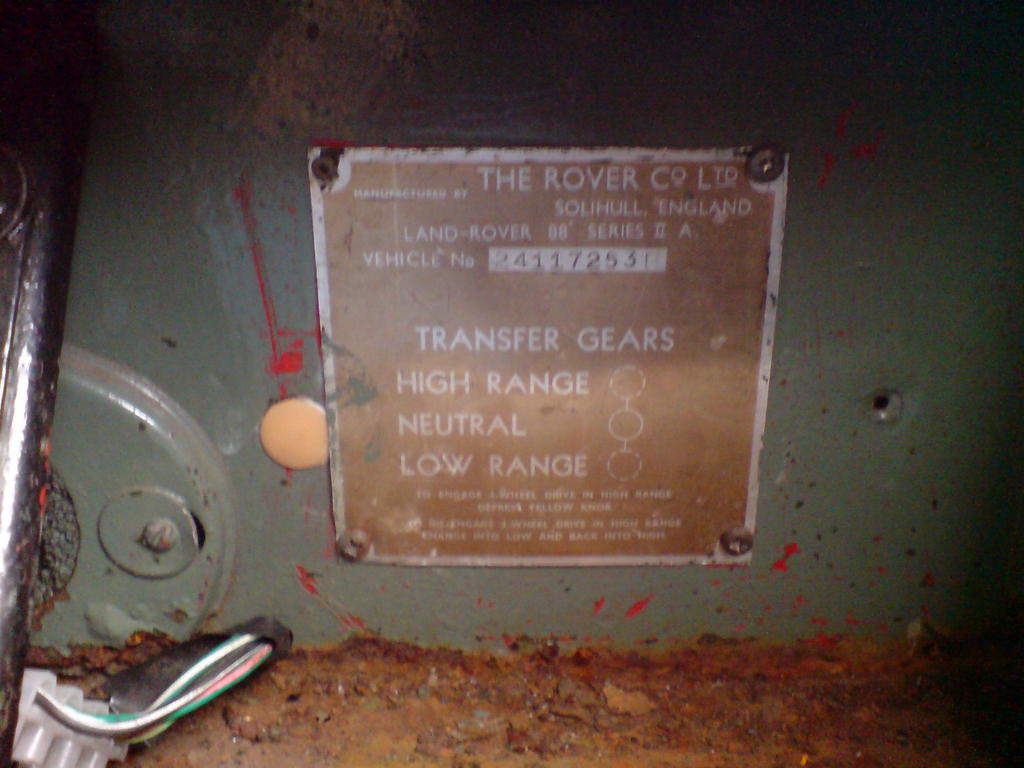
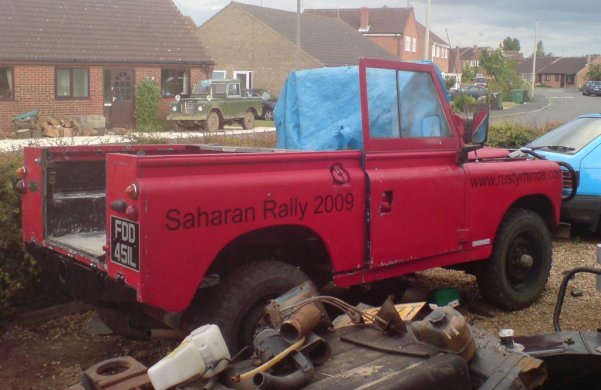
The reference materials for crossing the Sahara are very clear about what you need. A 4x4 should be reliable (mostly Japanese ones get a mention), comfortable for the many thousands of miles, economical, preferably diesel, long-wheelbase, ideally with air conditioning. So what did we look for? The complete opposite, of course. Leaf sprung, British, short wheelbase, petrol, slow, and as a very old Land Rover certainly not comfortable. In fact it's probably one of the least comfortable and slowest vehicles out there. But this is what our rallies are all about: a challenge.
- Model
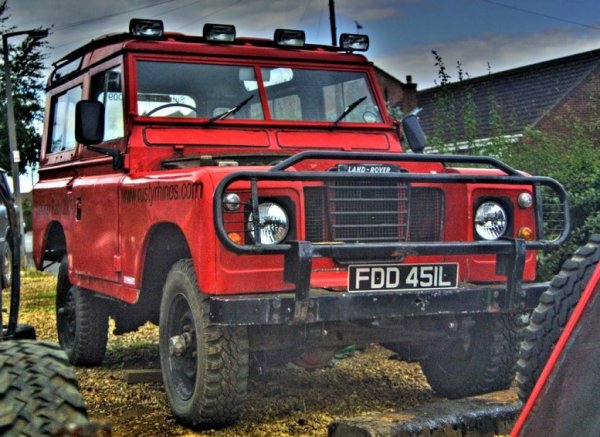
- 1964 Ex-Military Land Rover Series 2A SWB
- Engine
- 2.25 L petrol
- Power
- 70 BHP
- Top speed
- ~60 MPH (needs a few miles and a decent tailwind to achieve)
- Nickname
- Red (after its colour, and a dead cat)
- Creature comforts
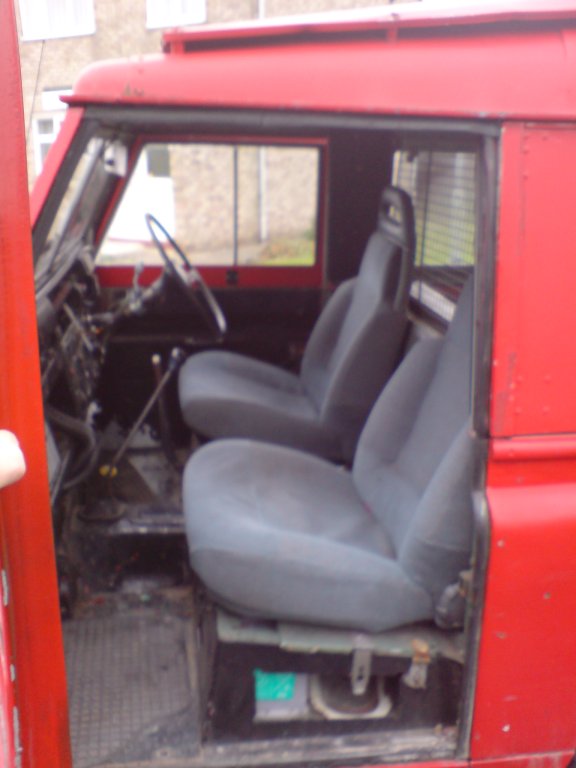
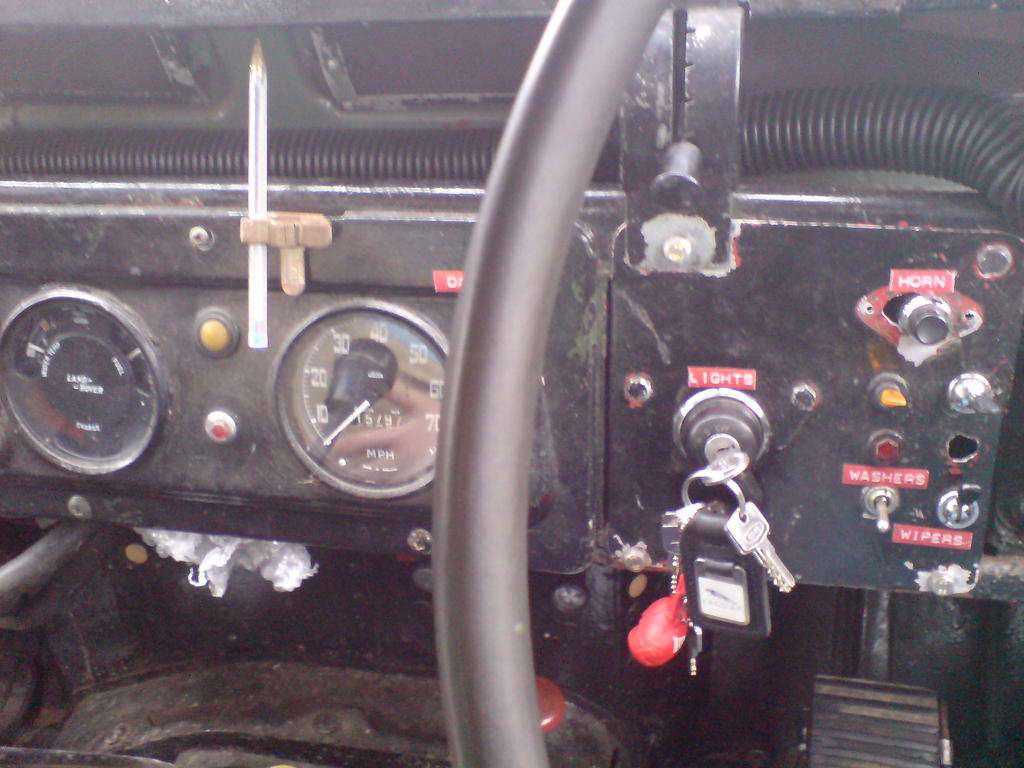
- Pen holders. Seats…?!
- Purchase price
- £500 (December 2007)
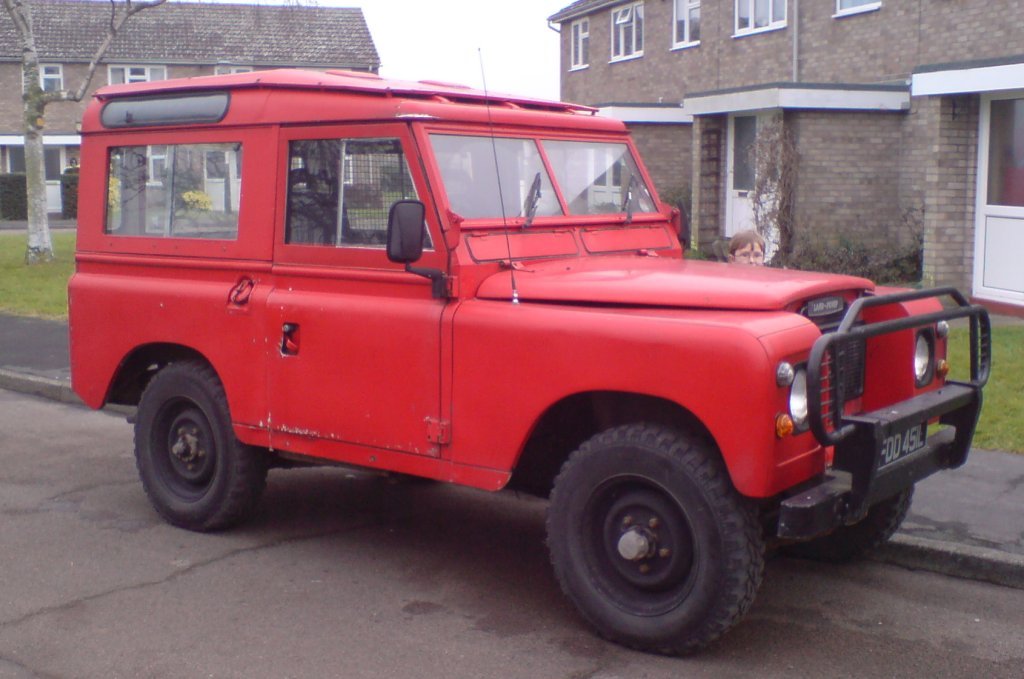
Red (the name comes from her colour and a dead cat) was bought for the reasonable sum of £500 with only a few months MOT left on her. As with our previous vehicle, most people wouldn't trust a car of this calibre to get to the local shops, let alone cover thousands of miles in the middle of nowhere. But we were very happy with our choice, and not in the slightest bit put off by references to the many Land Rover skeletons scattered across the Sahara that didn't quite make it.
We picked her up on Thursday 20th December 2007, in the dark. It was cold, the car was rattly, it was very hardcore, and at the same time, totally brilliant. Tax exempt as well. After the leaf spring nightmares of the Mongol Rally 2007 we had vowed never to even consider having another vehicle with leaf springs. So obviously, we bought one.
The rebuild
An enormous thank you is owed up front. Moss spent hundreds of hours welding, taking the car apart, putting it back together, and lending his expertise to keep the project on track. Lewis spent a similarly crazy number of hours on preparation, painting and fixing. Zoe, meanwhile, was incredibly patient with the volume of weekends (and weekdays) Alex dedicated to the project, and actually pitched in on the car work too, including finding Red on eBay in the first place before we even had a car for the rally.
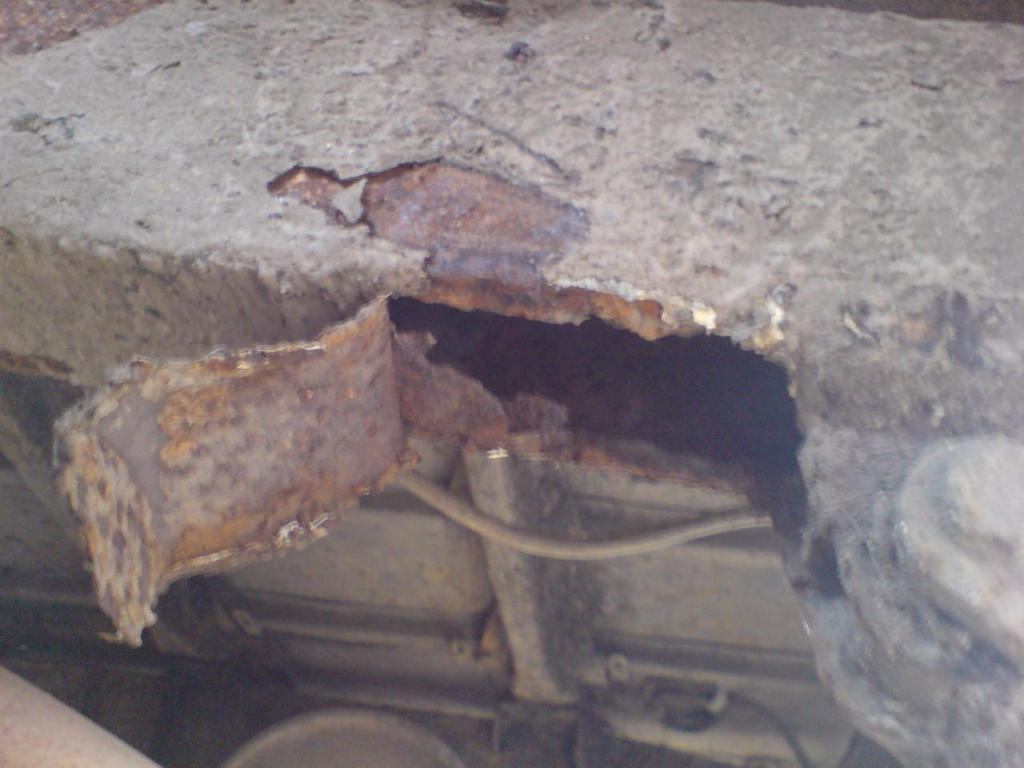
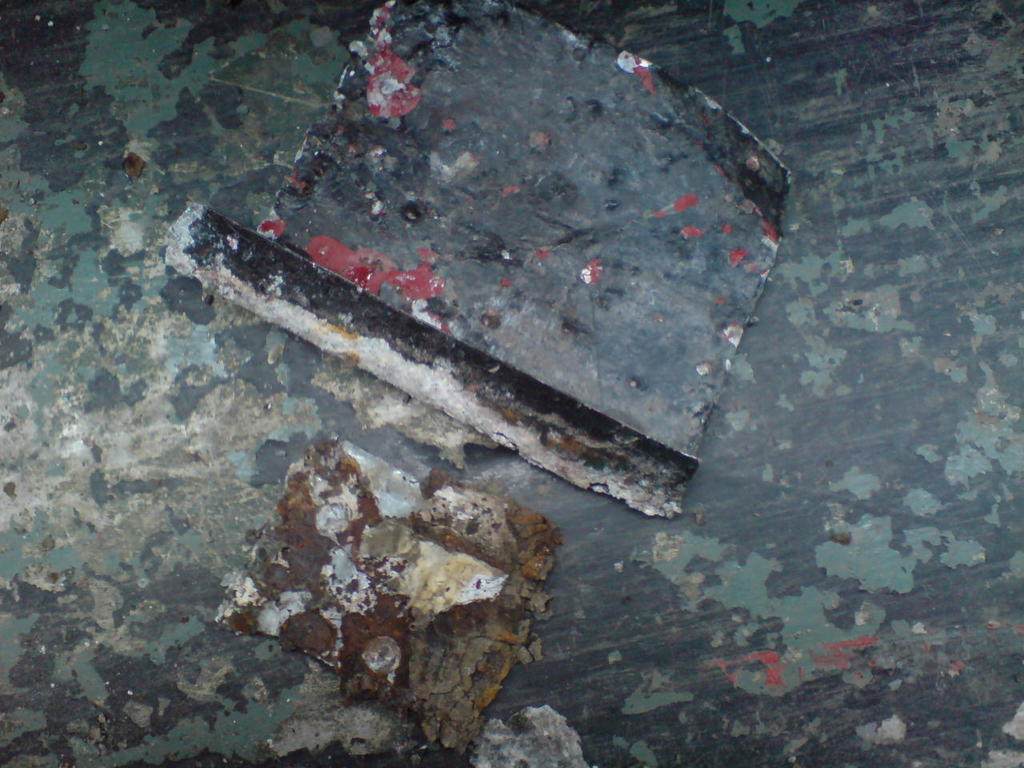
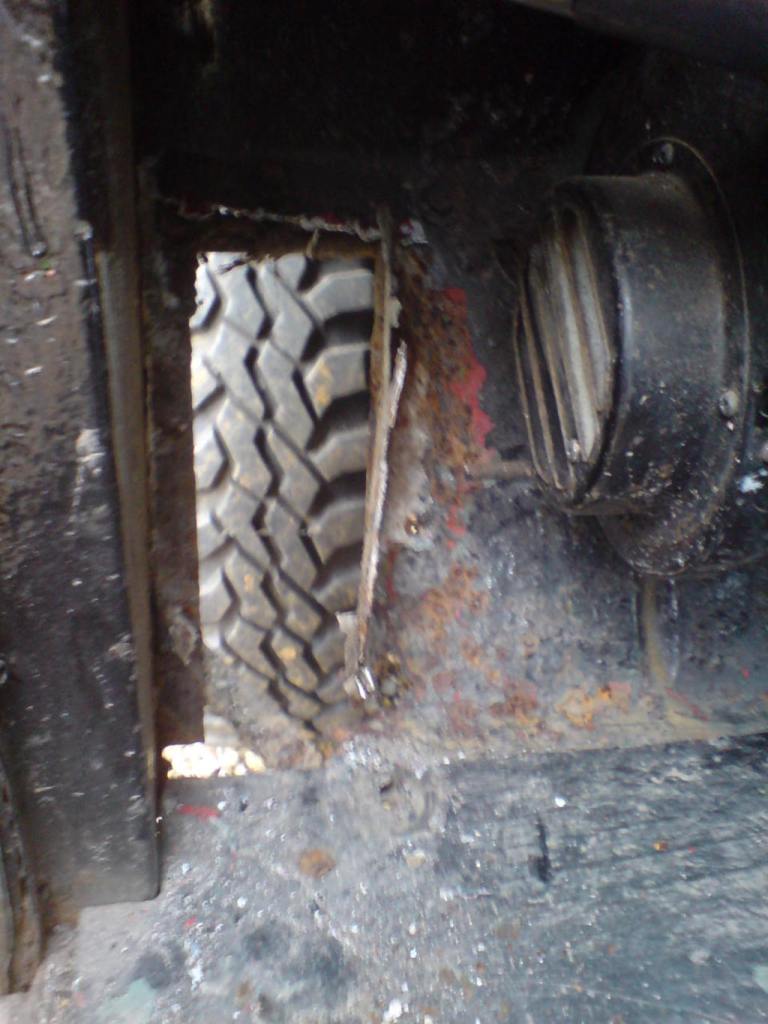
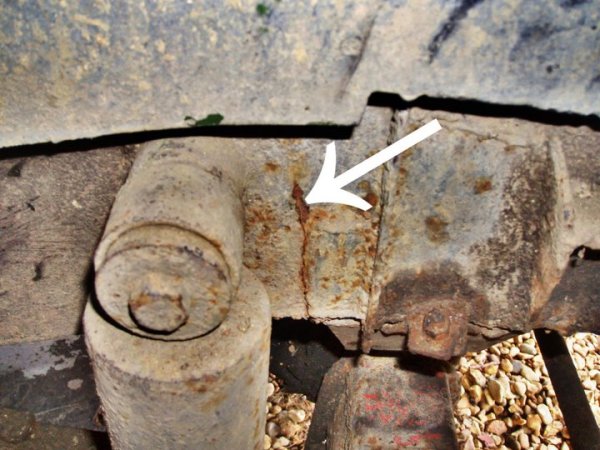
Once we started working on Red to see what was needed for the MOT and to assess the general condition, we realised this was not going to be a matter of a few hours. The rear chassis had, at some point, been patched with thin metal plates glued on and coated in copious amounts of underseal, quite easily fooling the MOT people. Unsafe too: the rear leaf hangers were not well supported. The footwells on both sides were crusty, with glued-on patches that peeled off easily. Behind one of them was a massive hole that the patch had been hiding.
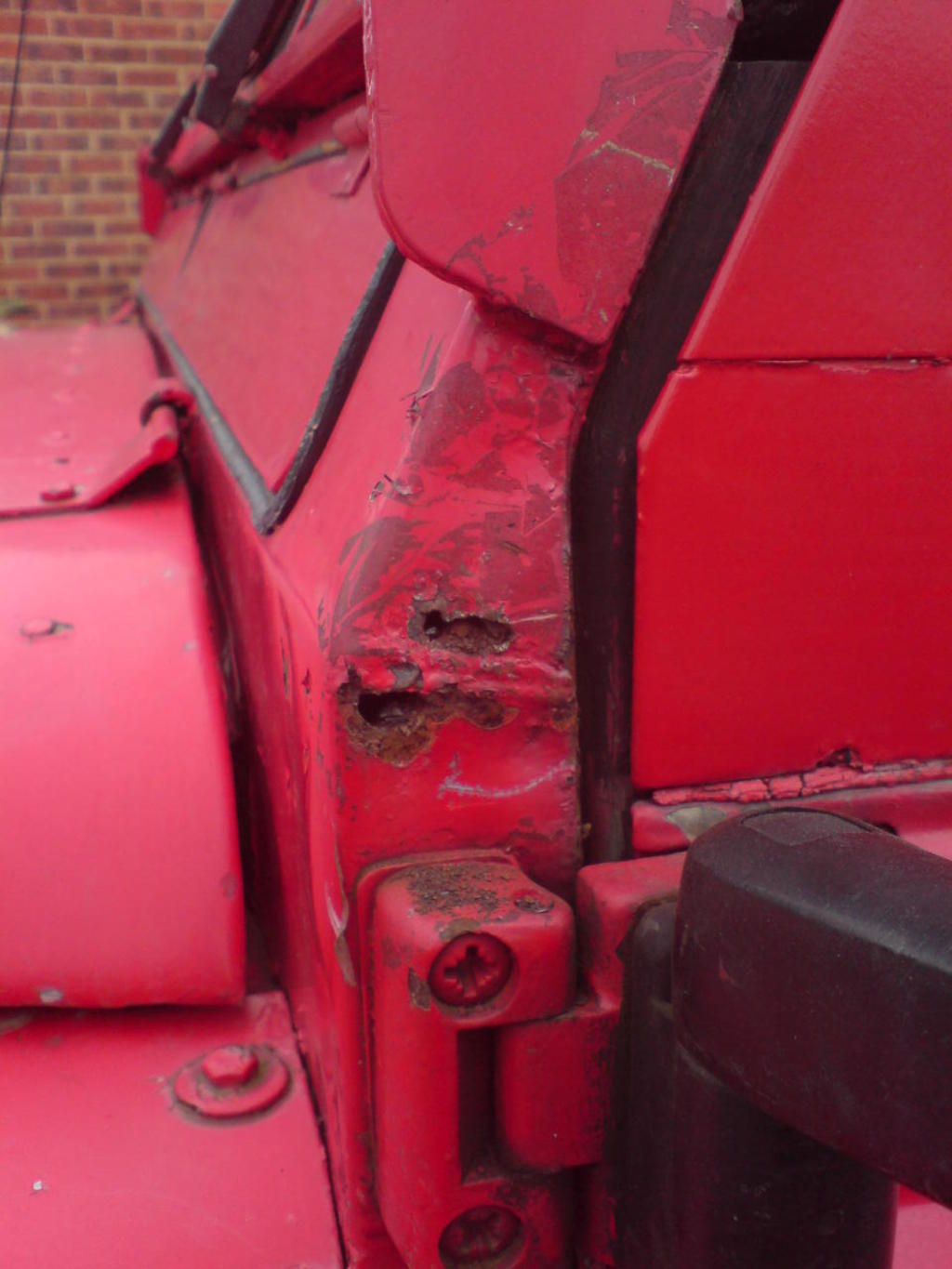
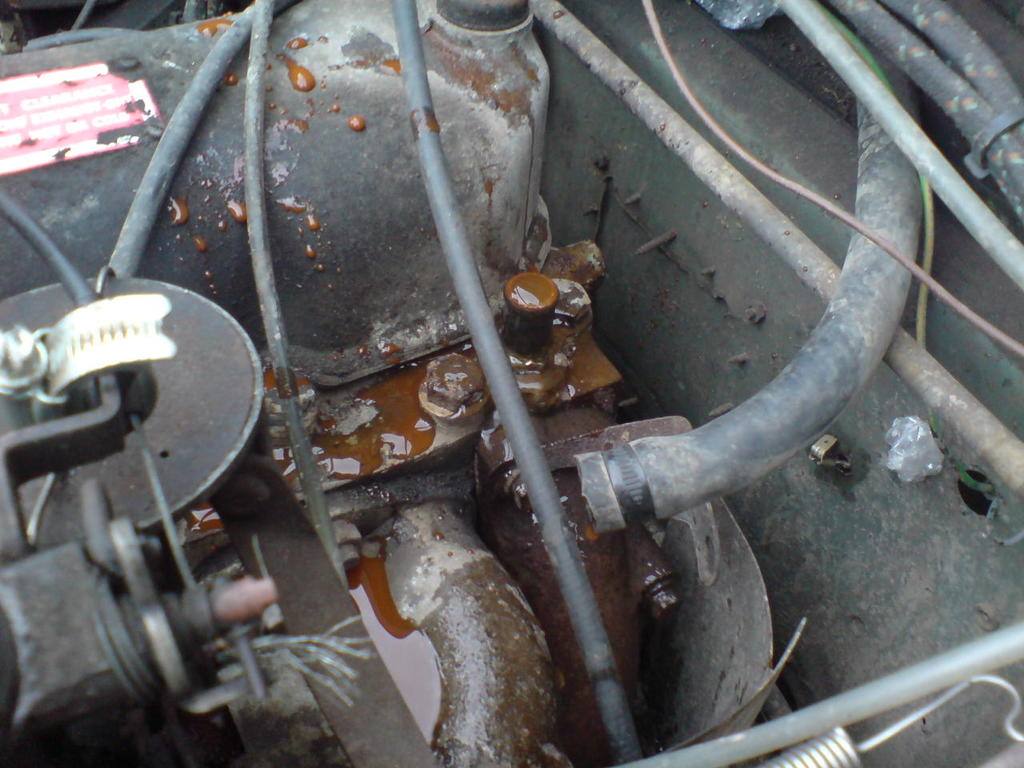
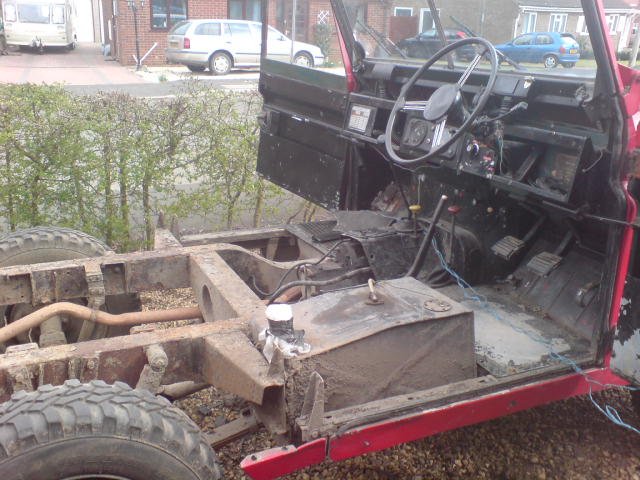
The battery had been relocated under the passenger seat, with a cut-out made in the seatbox, which is structural and therefore should have been an MOT failure in itself. There was a nice hole in the door pillar. The cooling system had no antifreeze and had not been changed in a very long time. Encouraging.
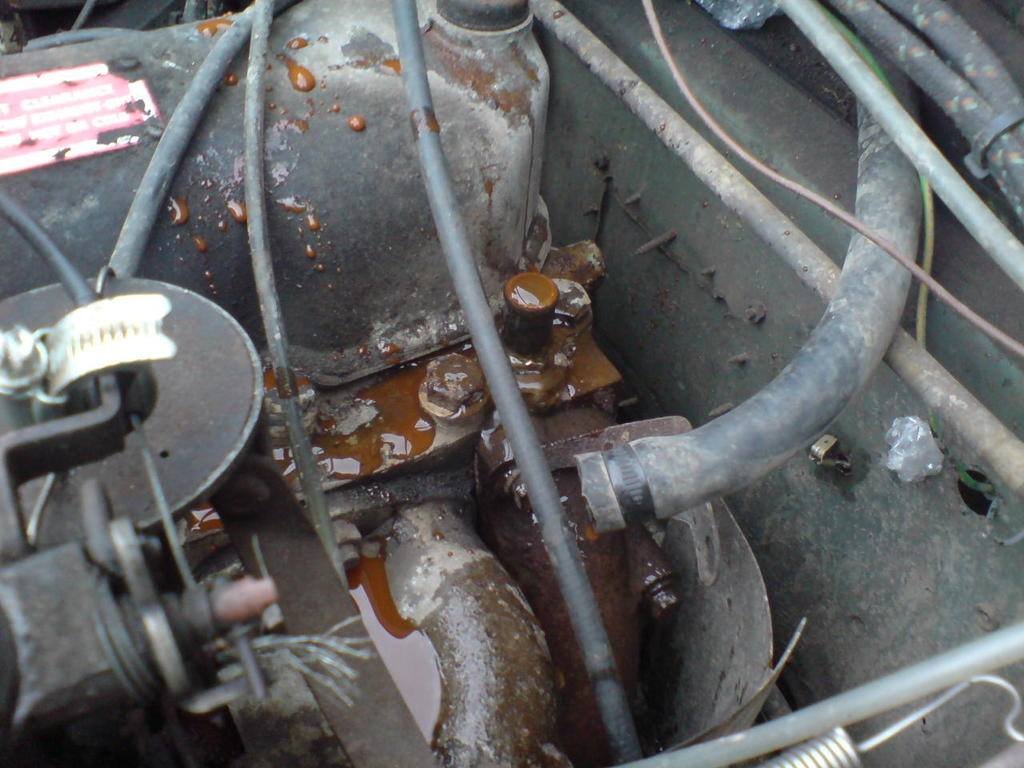
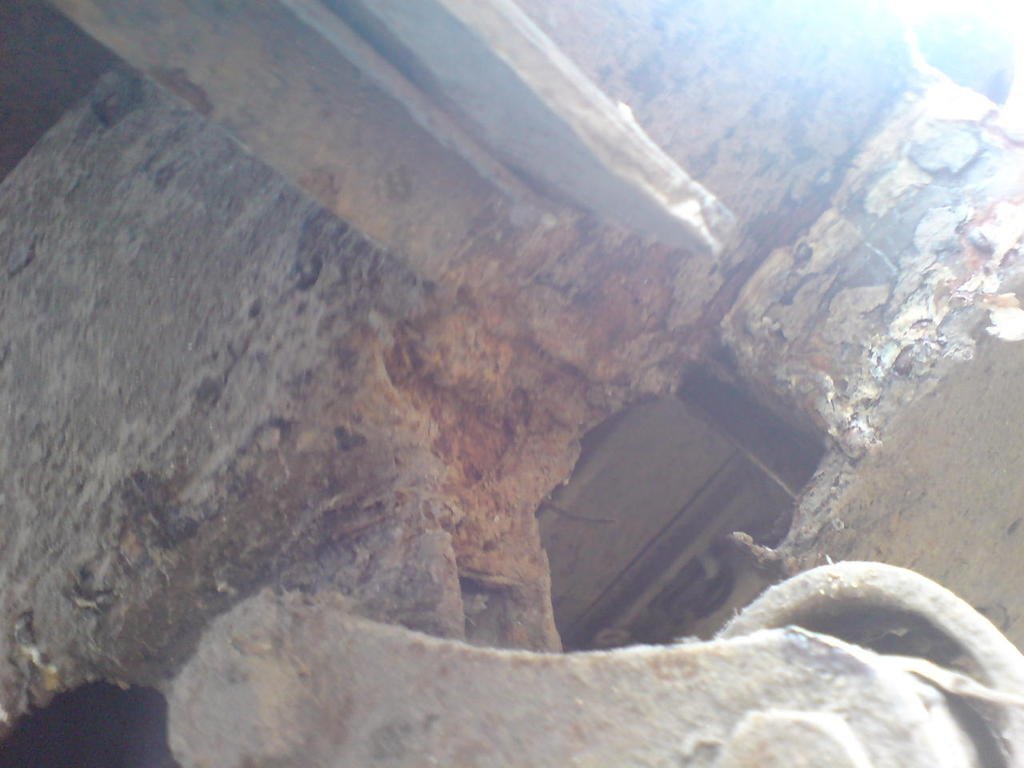
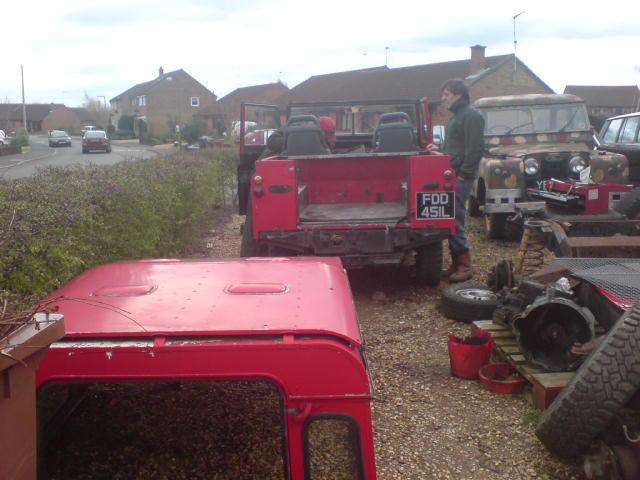
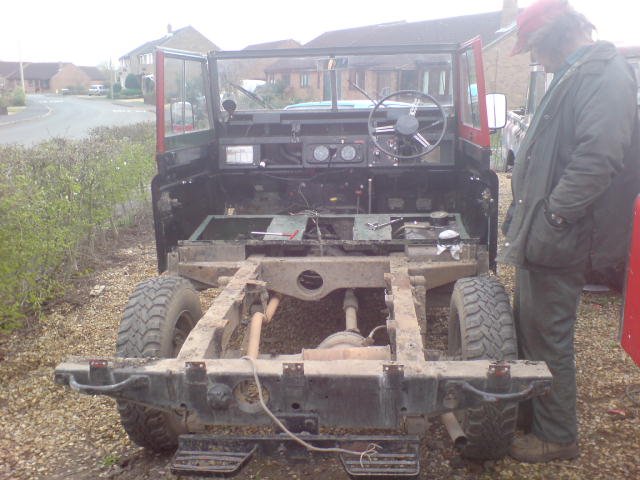
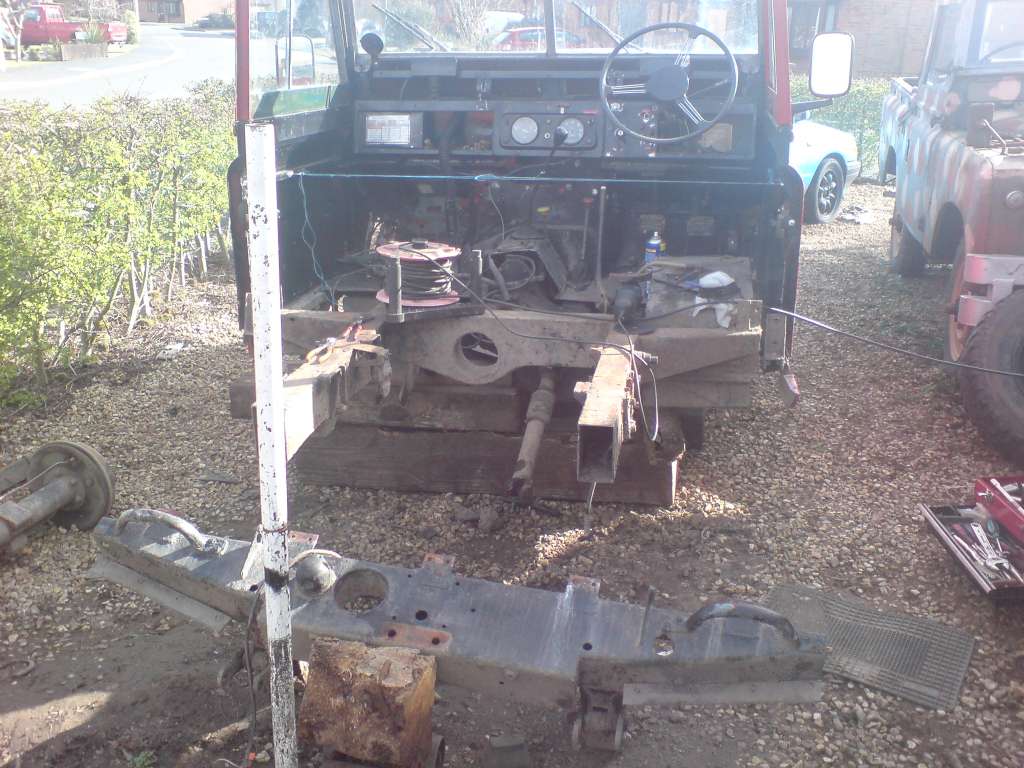
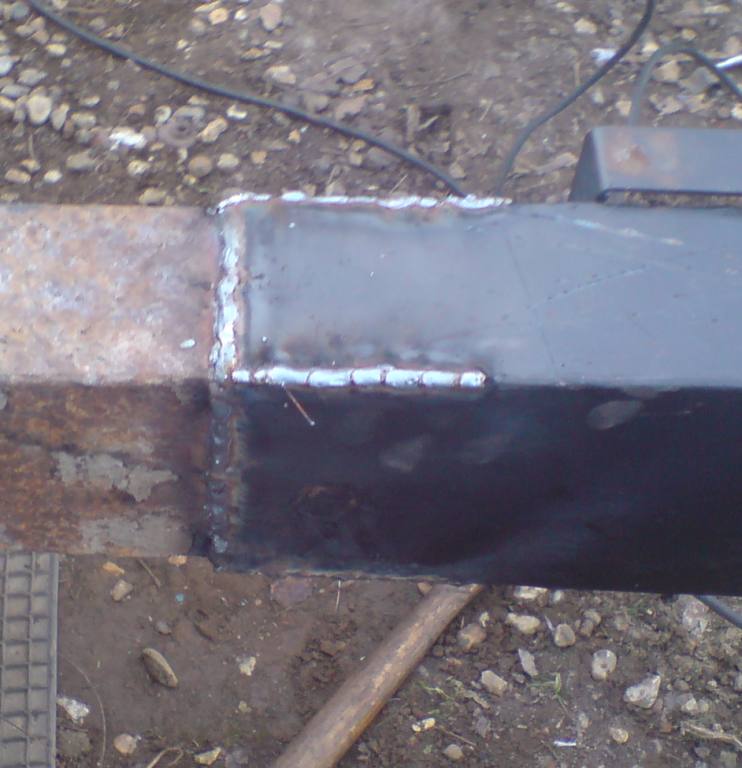
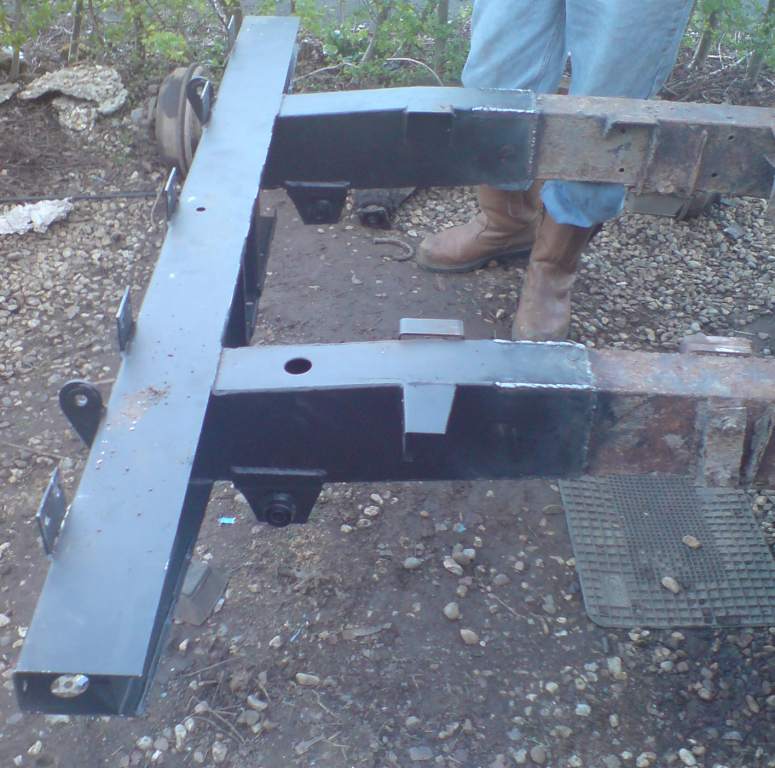
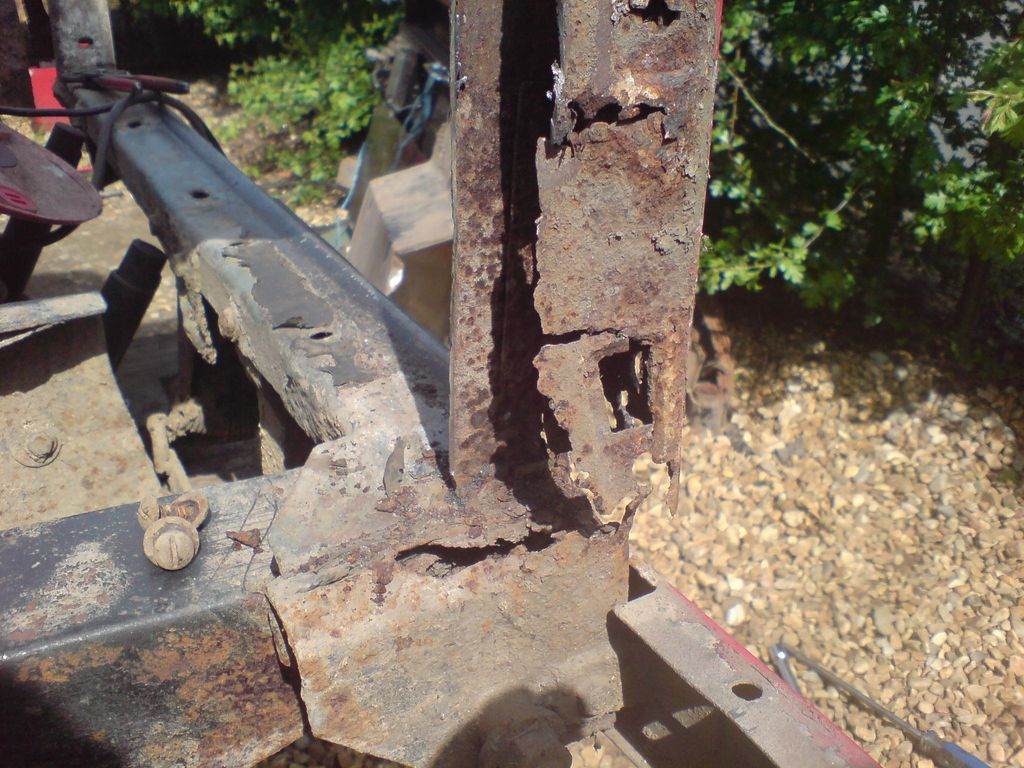
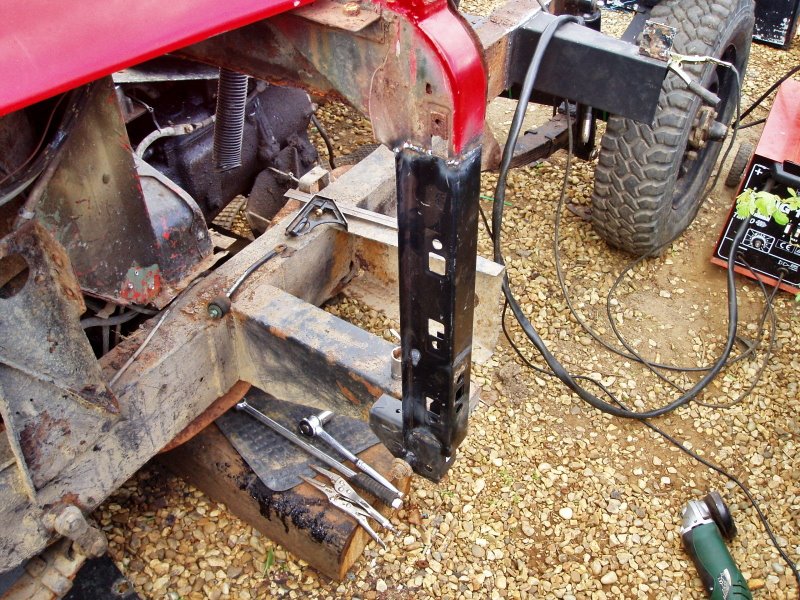
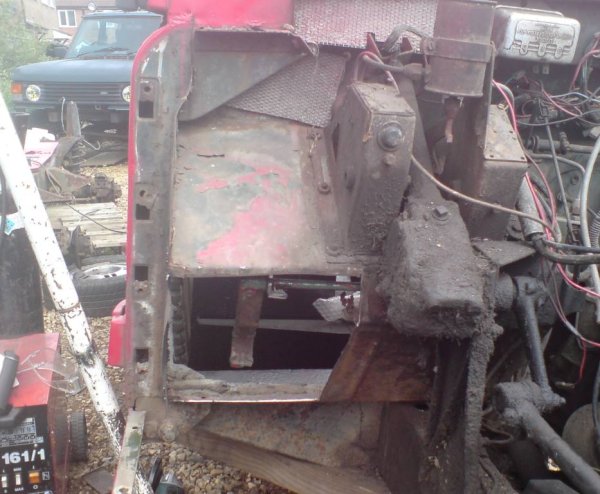
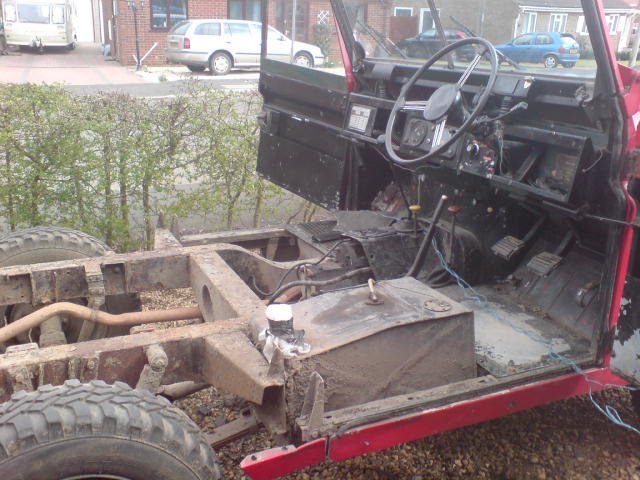
In the end, we stripped Red right down until she was an engine, bulkhead and gearbox sitting on half a chassis. The chopped-off rear section included a rear crossmember that was entirely rotten. We welded in a replacement. After investigating the wing area, we found severe rust and a massive hole in the D post and mount, which holds the door on, the body mounts and part of the floor mounts. Not good. That was cut out and replaced.
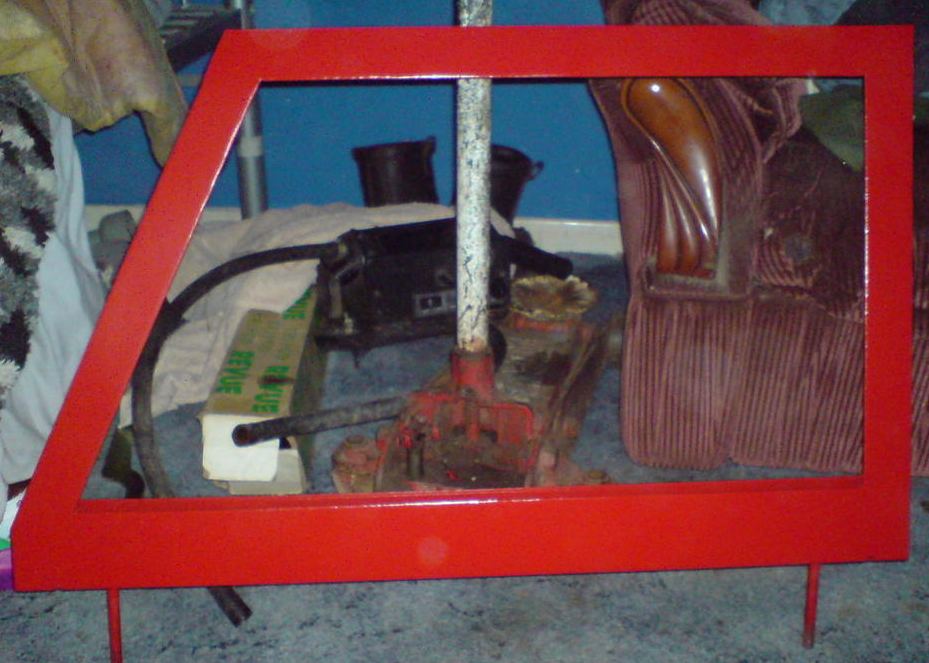
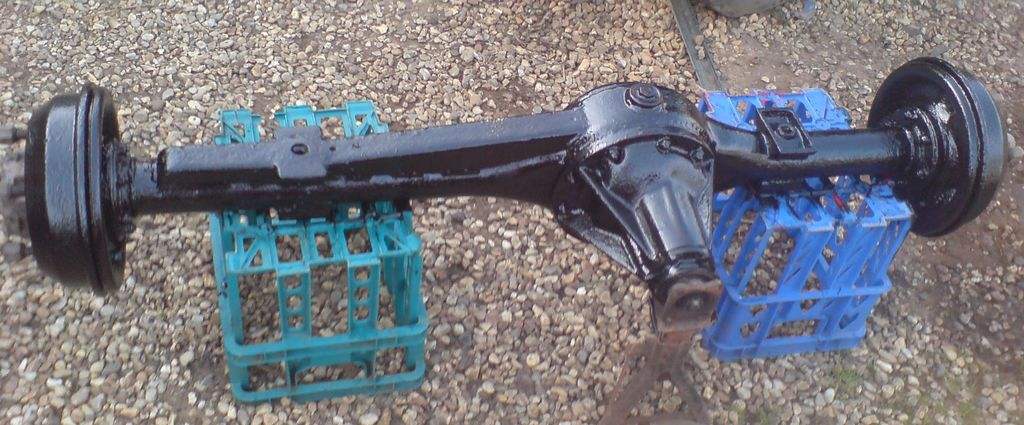
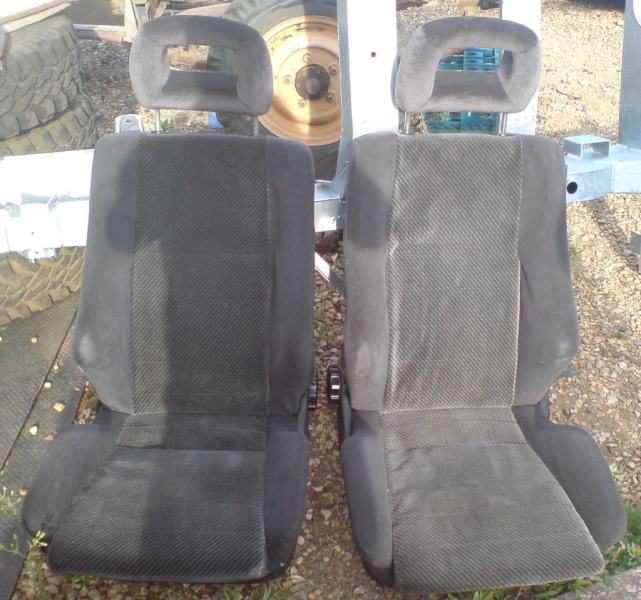
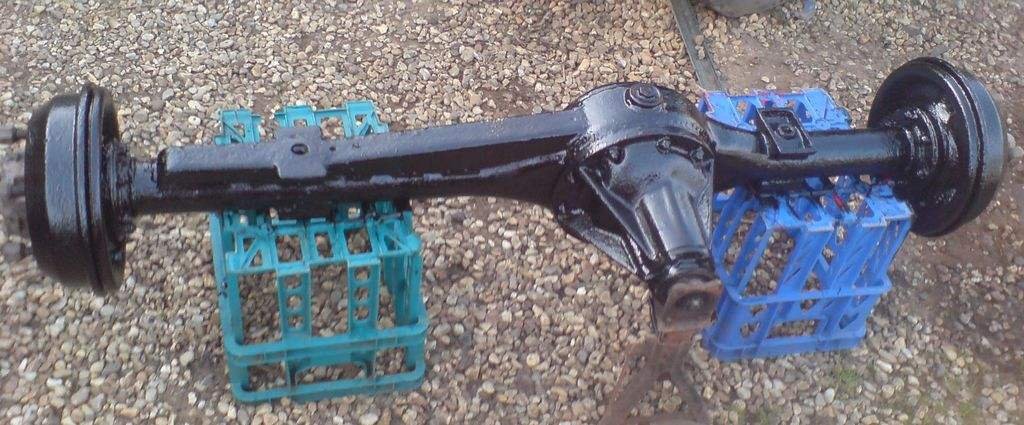
Once the welding was done the rear section looked rock solid. The axles were cleaned up, and the chassis and drums painted with Hammerite: hours of work to get them smooth, but worth it. We replaced the seats with a set of very good condition Recaros from a Cavalier GSi, fitted a new D post, and then found a crack in the chassis just when we thought we were on top of it all. Welded up. The driver's footwell also needed repair. Body and roof back on. It was starting to look like a Land Rover again, riding high at the back on new heavy duty rear springs.
Update: August 2008
By late summer we were working on Red every spare weekend and evening we had. Progress kept being halted by finding random new problems, bits falling off, and things not measuring up, but we had come to expect that. Plenty of jobs still to do, but we were happy with where things were.
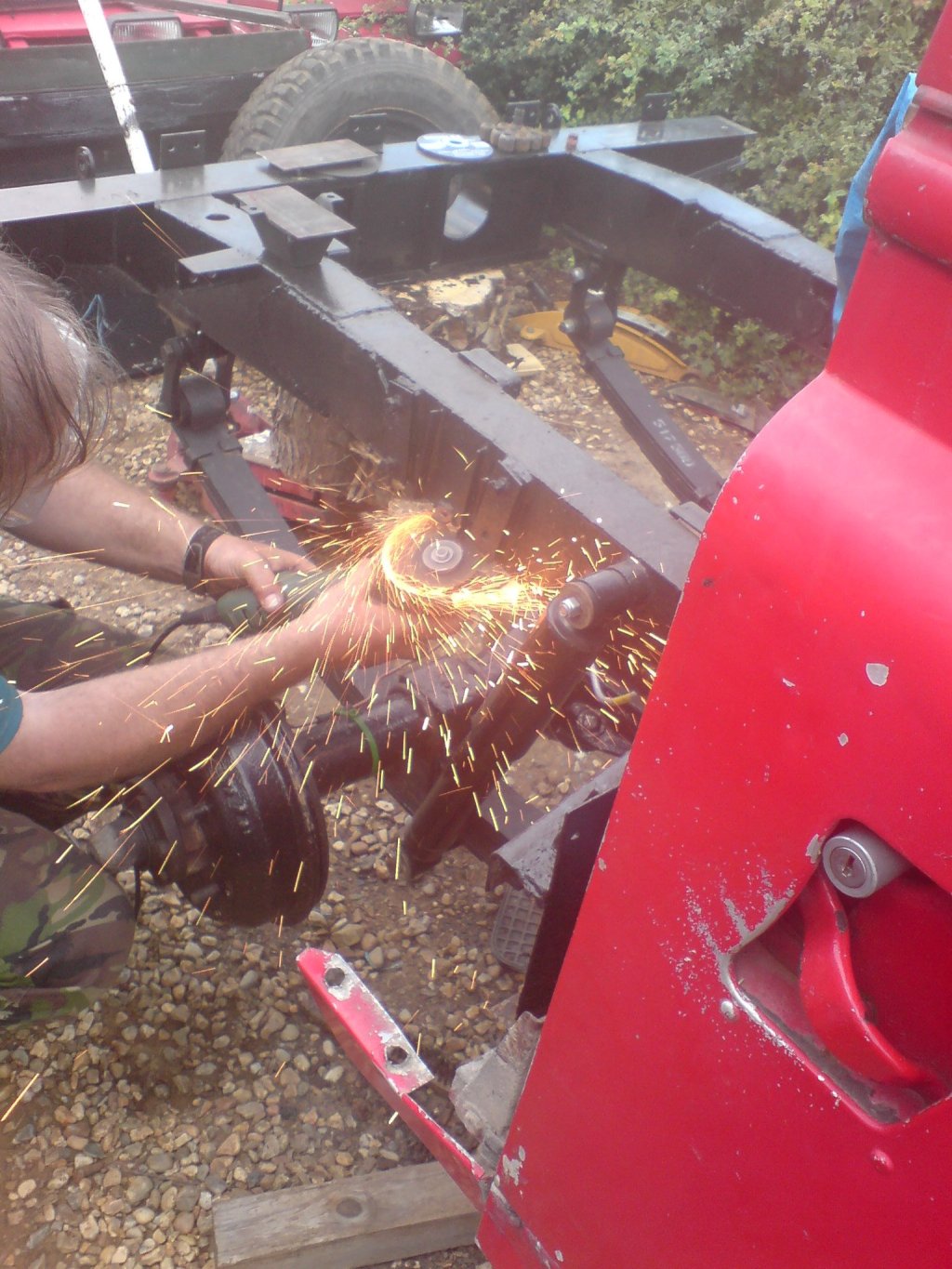
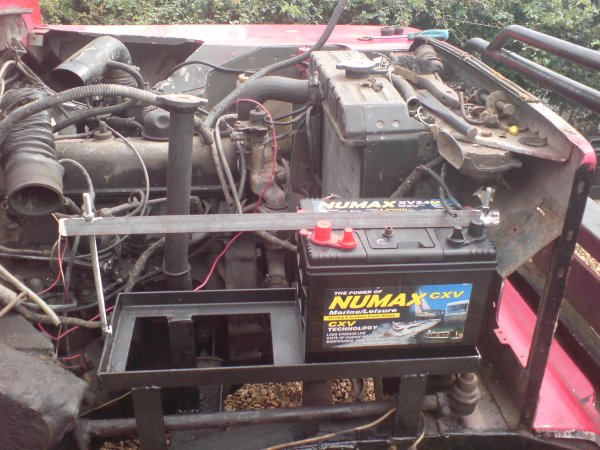
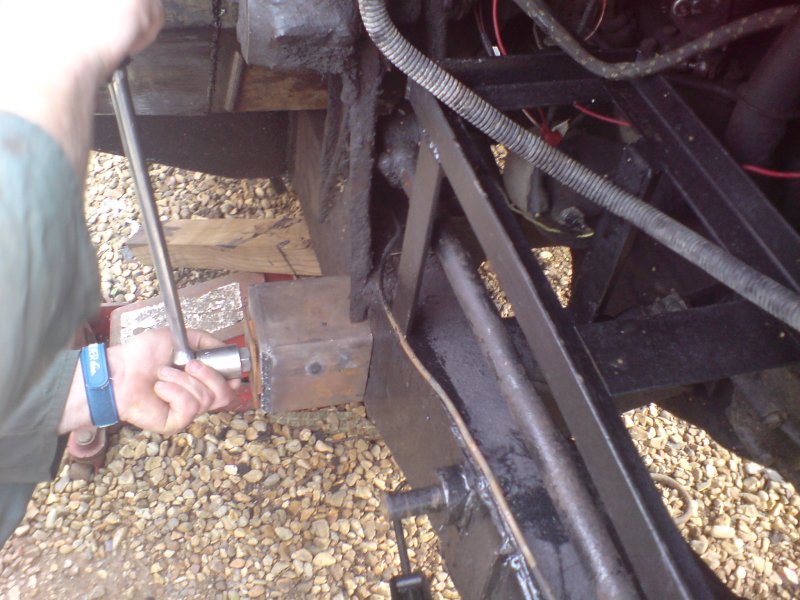
We welded in a homemade battery tray, larger and heavier duty than standard so it could take two big batteries. Then we tackled the front suspension. With a lot of effort, a lot of swearing, and the angle grinder, it all came off, only to reveal that the chassis near the spring hangar was bent. Given the amount of work we had already put into the car, it didn't seem right to ignore it. Moss was consulted and duly made a tool for the job to pull the chassis straight. It took literally minutes once assembled. Good job.
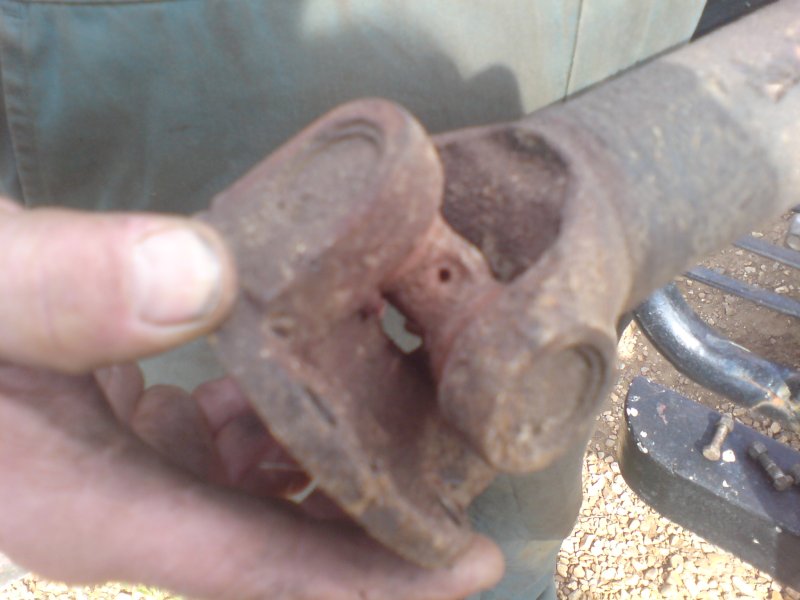
One of the problems on the Mongol Rally had been losing four-wheel drive. Not wanting a repeat, we replaced the universal joints on the propshafts with new ones. With the front suspension, wings, seatbox and floor all back in place and Red finally sitting on her own four wheels, she was at last looking like a Land Rover again.
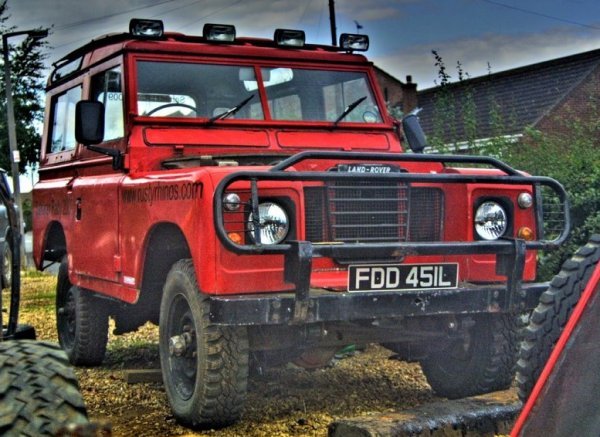
Over the following months we would be finding out about all of the 45 years of neglect and slowly patching them up bit by bit. Red had even more rust than the Suzuki before her, but we made her roadworthy, and she did exactly what we bought her to do: she got us across the Sahara.
Team artwork
Historical references
A period document we kept on file for Red during the rally preparation:
Land Rover User Handbook (issued March 1962, reprinted 1966) — PDF, 3.4 MB
Build gallery
32 photos from the strip-down and rebuild between late 2007 and 2008. Tap any image for a closer look.